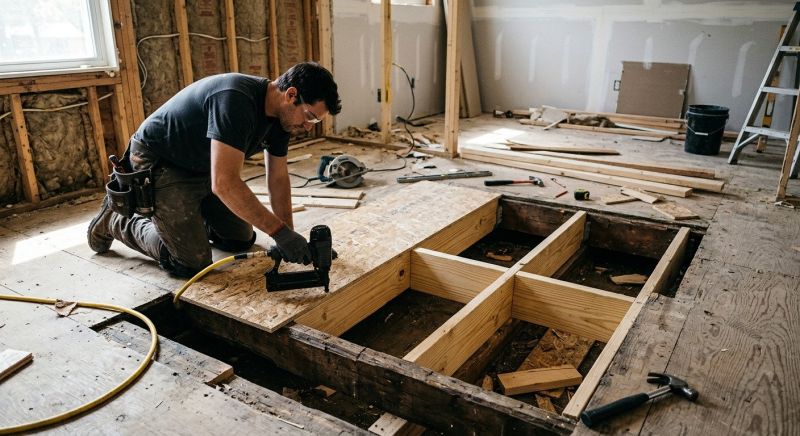
Sagging Floor Repair in Kansas City, KS
Sagging floor repair services address issues where floors become uneven, dip, or sag due to structural weakening or damage. This type of project typically involves assessing the underlying causes, such as compromised joists, supports, or foundational problems, and then restoring the floor’s stability and levelness. Homeowners often request this service when noticing creaking, noticeable dips, or a feeling of instability underfoot, especially in areas like living rooms, basements, or upper floors.
Before requesting sagging floor repair, property owners usually want to understand the extent of the damage and the possible causes. Clear communication about the condition of the subfloor, joists, and support beams helps determine the appropriate solutions. It’s also important to consider the scope of work, whether it involves reinforcing existing structures or replacing damaged components, to ensure the repair restores safety and functionality to the affected space.
Many property owners in Kansas City, KS look into Sagging Floor Repair for repairs, replacements, upgrades, and appearance-related improvements.
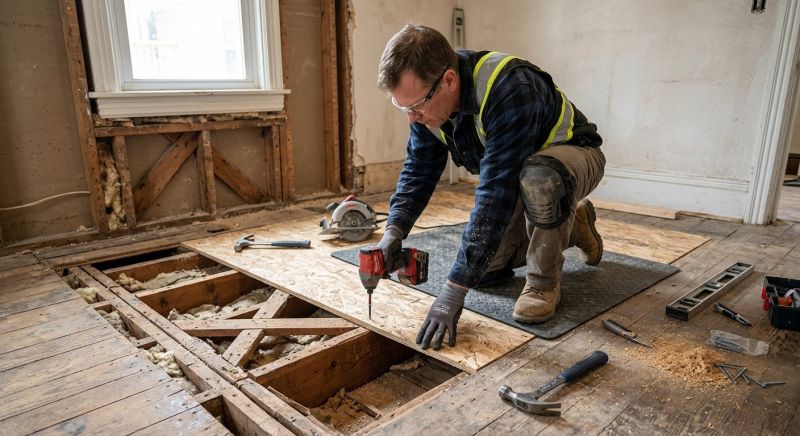
Causes Of Sagging Floors
Understanding the common reasons behind floor sagging helps homeowners address underlying issues effectively.
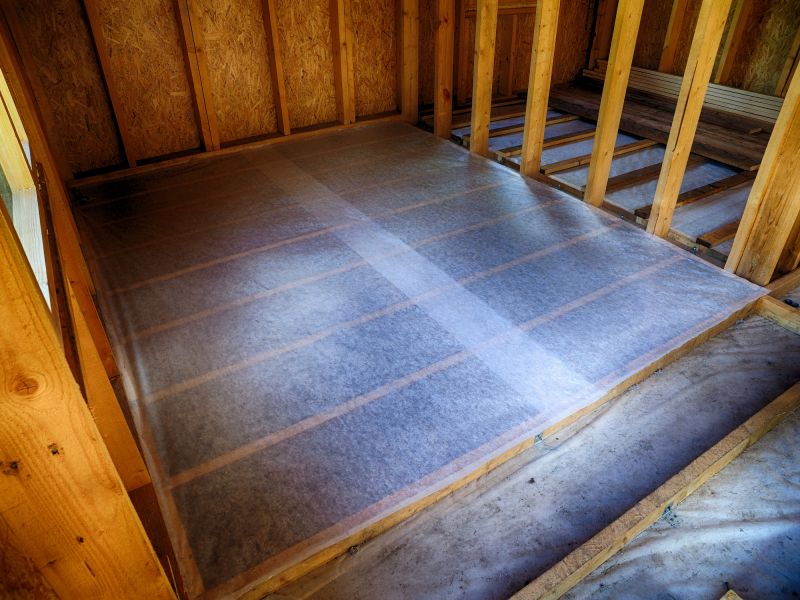
Signs Of Floor Sagging
Visible dips, creaks, and uneven surfaces are key indicators that a floor may need repair.
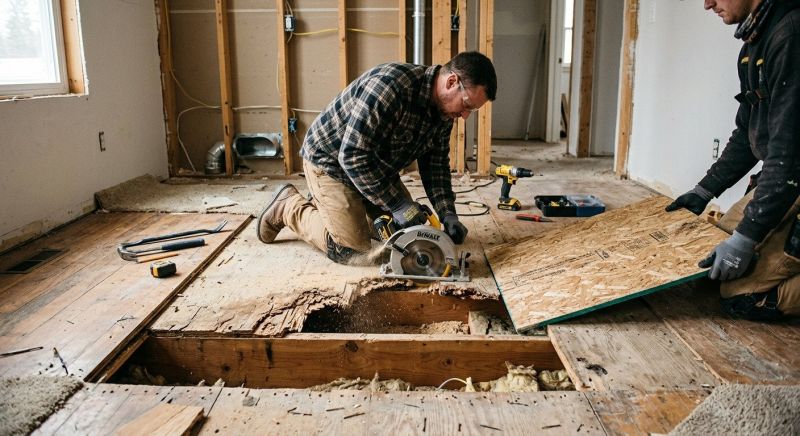
Repair Solutions
Restoring stability often involves reinforcement, jacking, or replacing damaged joists to ensure safety and durability.
Sagging Floor Repair in Kansas City, KS

Sagging floor repair services address issues where floors become uneven, dip, or sag due to structural weakening or damage. This type of project typically involves assessing the underlying causes, such as compromised joists, supports, or foundational problems, and then restoring the floor’s stability and levelness. Homeowners often request this service when noticing creaking, noticeable dips, or a feeling of instability underfoot, especially in areas like living rooms, basements, or upper floors.
Before requesting sagging floor repair, property owners usually want to understand the extent of the damage and the possible causes. Clear communication about the condition of the subfloor, joists, and support beams helps determine the appropriate solutions. It’s also important to consider the scope of work, whether it involves reinforcing existing structures or replacing damaged components, to ensure the repair restores safety and functionality to the affected space.
Many property owners in Kansas City, KS look into Sagging Floor Repair for repairs, replacements, upgrades, and appearance-related improvements.
Common Sagging Floor Repair Jobs
Floor leveling - correcting uneven flooring caused by structural shifts or settling.
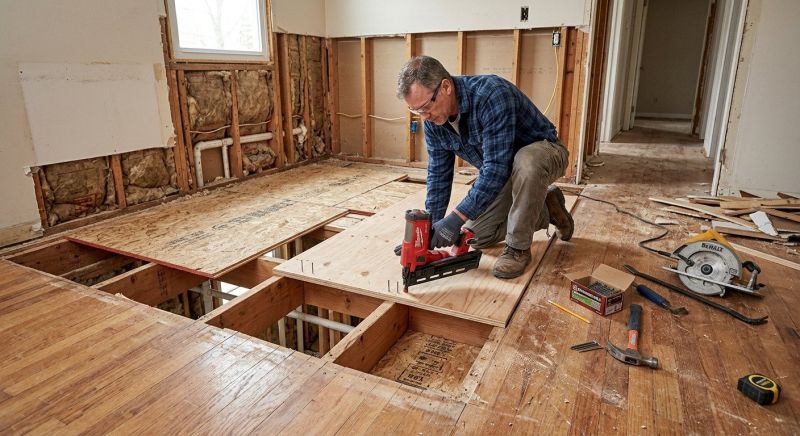
Subfloor reinforcement - strengthening weakened or damaged subfloor layers to prevent further sagging.
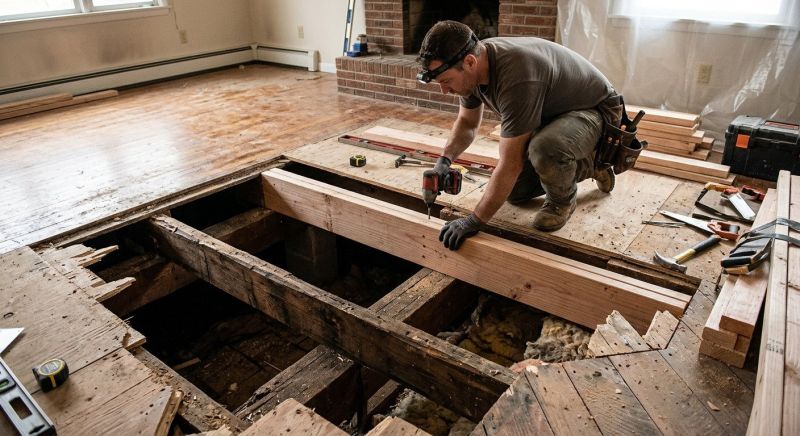
Joist repair or replacement - restoring compromised floor joists that support the flooring system.
Post and beam stabilization - securing and stabilizing foundation posts that may be causing floor dips.
Foundation assessment and repair - evaluating underlying foundation issues contributing to floor sagging.
Water damage correction - addressing moisture-related problems that weaken floor support structures.
Sagging Floor Repair Questions
What causes floors to sag? Sagging floors are often caused by foundation settling, moisture issues, or structural deterioration in supporting beams.
How can sagging floors be repaired? Repairs typically involve reinforcing or replacing damaged joists, installing support beams, or addressing underlying foundation problems.
Are repairs to sagging floors permanent? Properly performed repairs can provide long-lasting stability, especially when underlying issues are also addressed.
What signs indicate a need for sagging floor repair? Visible dips, creaking sounds, and uneven flooring are common signs that a floor may need attention.
Request Sagging Floor Repair in Kansas City, KS
Use the quote form on this page to share the basics of your project and request more information for the type of work you need.